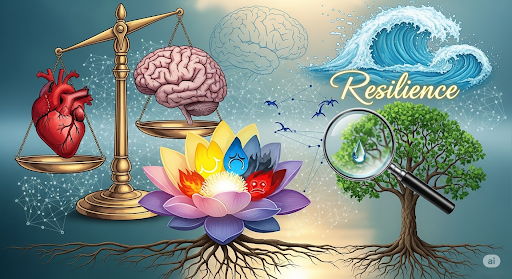
Emotional awareness means paying attention to how you feel. It’s noticing your feelings without judging them as good or bad. When you understand your emotions, you can handle them better. Emotional awareness helps you know yourself better, making everyday life easier and more enjoyable.
Emotional awareness is the foundation of emotional intelligence and personal well-being. It’s the ability to recognize, understand, and acknowledge your emotions as they arise, rather than being swept away by them or numbing yourself to them entirely.
Why is it Important?
- Helps You Stay Calm: When you know how you feel, you’re less likely to act without thinking. You can take a deep breath and choose your actions carefully. This skill is especially useful when you’re upset or stressed. It gives you the power to respond thoughtfully instead of reacting impulsively.
- Improves Relationships: Understanding your emotions helps you understand others. It makes talking to friends and family easier because you know what you’re feeling and can explain it clearly. When you’re emotionally aware, you’re also better at noticing how others feel, making it easier to show empathy and support.
- Keeps You Healthy: When you hold in emotions or ignore them, it can make you feel stressed or sick. Being aware helps you stay mentally and physically healthy. It helps prevent headaches, stomachaches, and other problems caused by stress and bottled-up emotions.
- Better Decisions: Emotional awareness can help you make smarter decisions. When you’re clear about how you feel, you can choose actions that are best for you, rather than making quick choices based on strong, uncontrolled feelings.
Why it Matters in Daily Life:
When you’re emotionally aware, you gain crucial information about yourself and your environment. Emotions are data—they tell you what you value, what threatens you, what energizes you, and what drains you. Without this awareness, you’re essentially flying blind through life’s challenges and relationships. You might find yourself reacting impulsively, feeling overwhelmed by seemingly small setbacks, or struggling to understand why certain situations consistently trigger you.
Emotional awareness dramatically improves your relationships. Understanding your own emotional patterns helps you avoid projecting your feelings onto others or taking their emotions personally. Clear communication about your emotional needs and thoughtful responses to others’ feelings strengthen your connections.
Easy Tips to Practice Emotional Awareness:
- Pause and Notice: Set phone reminders throughout the day to pause and ask yourself, “What am I feeling right now?” Do this during normal activities, like eating lunch or riding in the car.
- Name Your Feelings: Try to give your feelings a name, like happy, sad, worried, or excited. Naming emotions helps you understand and manage them better.
- Keep it Simple: Don’t judge your feelings. Just notice them and accept them. Remember, every emotion is okay and normal to feel.
- Breathe Deeply: Taking a slow, deep breath can help you slow down and notice your feelings better. Deep breathing calms your mind and body, making it easier to pay attention to your emotions.
- Listen to Your Body: Emotions often show up physically before we recognize them mentally—tension in your shoulders might signal stress, a tight chest might indicate anxiety, or a heavy feeling might point to sadness.
- Write it Down: Journaling helps you understand your emotions better. Spend five minutes each evening noting what emotions you experienced, what triggered them, and how you responded. Over time, you’ll see patterns that guide better choices.
The goal isn’t to control your emotions but to develop a conscious relationship with them, treating emotions as valuable information rather than inconvenient interruptions. 🌱